3 Wood vs 5 Wood: Which Fairway Wood Should You Carry?
*We may earn a commission for purchases made using our links. Please see our disclosure to learn more.
Choosing between a 3 wood and a 5 wood comes down to more than which club goes farther. The two fairway woods can fill very different roles in your golf bag.
A 3 wood typically has less loft, a longer shaft, and more distance potential. It can be an excellent alternative to a driver from the tee and a powerful option for long shots when you have a clean lie. A 5 wood has more loft and a slightly shorter shaft, making it easier for many golfers to launch from the fairway while producing a higher trajectory and more stopping power.
For golfers who struggle to hit low-lofted fairway woods consistently, the 5 wood may even produce better real-world results despite being the shorter club on paper. Stronger players, meanwhile, may value the additional distance and lower flight of a 3 wood.
So, which one deserves a place in your bag? The answer depends on your swing speed, typical course conditions, distance gaps, and how you plan to use the club.
“A 3 wood (~15°) is the longest and is a great option off the tee as well as the fairway.”
Source: Callaway Golf
3 Woods Go Farther
A 3 wood typically has less loft and a longer shaft, giving it more distance potential than a 5 wood.
5 Woods Launch Higher
The extra loft helps a 5 wood produce a higher trajectory and makes it easier to launch from the fairway.
3 Woods Suit Tee Shots
A 3 wood is a strong alternative to the driver when you want good distance with more control from the tee.
5 Woods Are Easier to Hit
A shorter shaft and additional loft can make the 5 wood more forgiving and easier to strike consistently.
Loft Creates the Difference
Most 3 woods sit near 15 degrees, while 5 woods are generally around 18 to 19 degrees of loft.
5 Woods Stop Faster
Their higher flight and steeper landing angle can make 5 woods more useful for long approach shots into greens.
Choose Based on Your Gaps
Carry a 3 wood, 5 wood, or both only when they create useful distance gaps between your driver, hybrids, and long irons.
Four Fairway Woods Worth Considering
If you are choosing between a 3 wood and 5 wood, these four models provide options in both categories.
1. TaylorMade Qi35 Fairway Wood

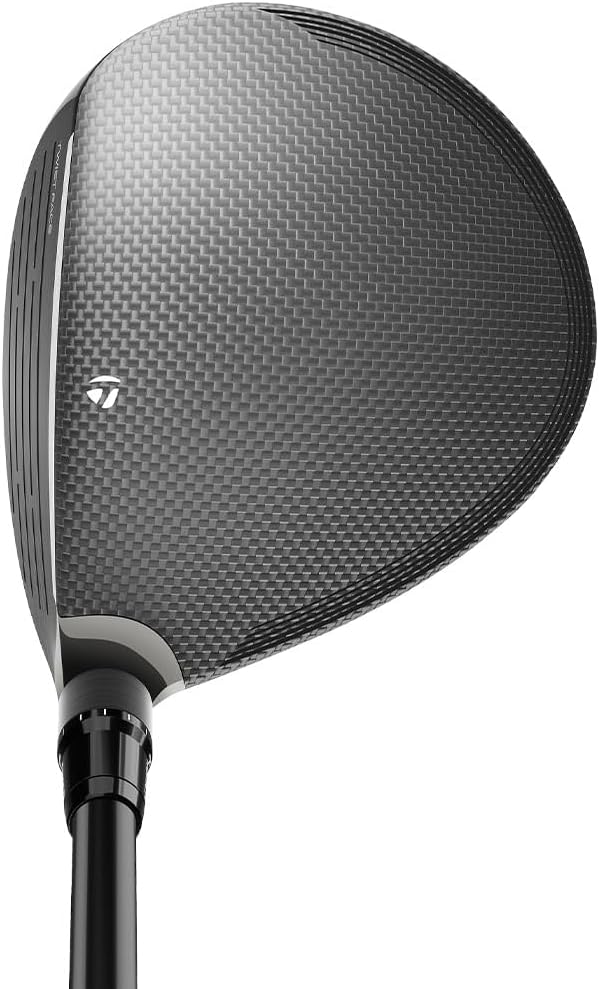

The TaylorMade Golf Qi35 Fairway combines distance, adjustability, and versatility for golfers who want reliable performance from both the tee and fairway. Its multi-material construction uses chromium carbon, steel, and aluminum to optimize weight distribution, while the Infinity Carbon Crown and modified center of gravity help improve launch and energy transfer. A 4° loft sleeve allows golfers to fine-tune trajectory and face angle, while Twist Face and the Thru-Slot Speed Pocket support consistent ball speed and forgiveness on less-than-perfect strikes.
- Highly Adjustable: The 4° loft sleeve lets golfers fine-tune loft, trajectory, and face angle.
- Strong Versatility: Performs well from both the tee and fairway, making it useful in several situations.
- Added Forgiveness: Twist Face and the Thru-Slot Speed Pocket help maintain ball speed on off-center contact.
- Higher Price: It sits in the premium price range compared with many basic fairway woods.
- Requires Fine-Tuning: Golfers may need some testing to find the loft and setup that work best for their swing.
- Potentially Complex for Beginners: Players who prefer a simple fixed-loft club may not need its extensive adjustability.
The TaylorMade Qi35 is a versatile option for golfers who want a combination of distance, launch, and forgiveness.
The standard model offers:
- 3 wood: 15°
- 5 wood: 18°
The standard 3 wood measures 43.25 inches, while the 5 wood is 42.25 inches. TaylorMade also offers adjustable loft technology in these models, making it possible to fine-tune ball flight and gapping.
Best for: Golfers wanting a versatile fairway wood that can work from the tee and turf.
2. Callaway Elyte Fairway Wood
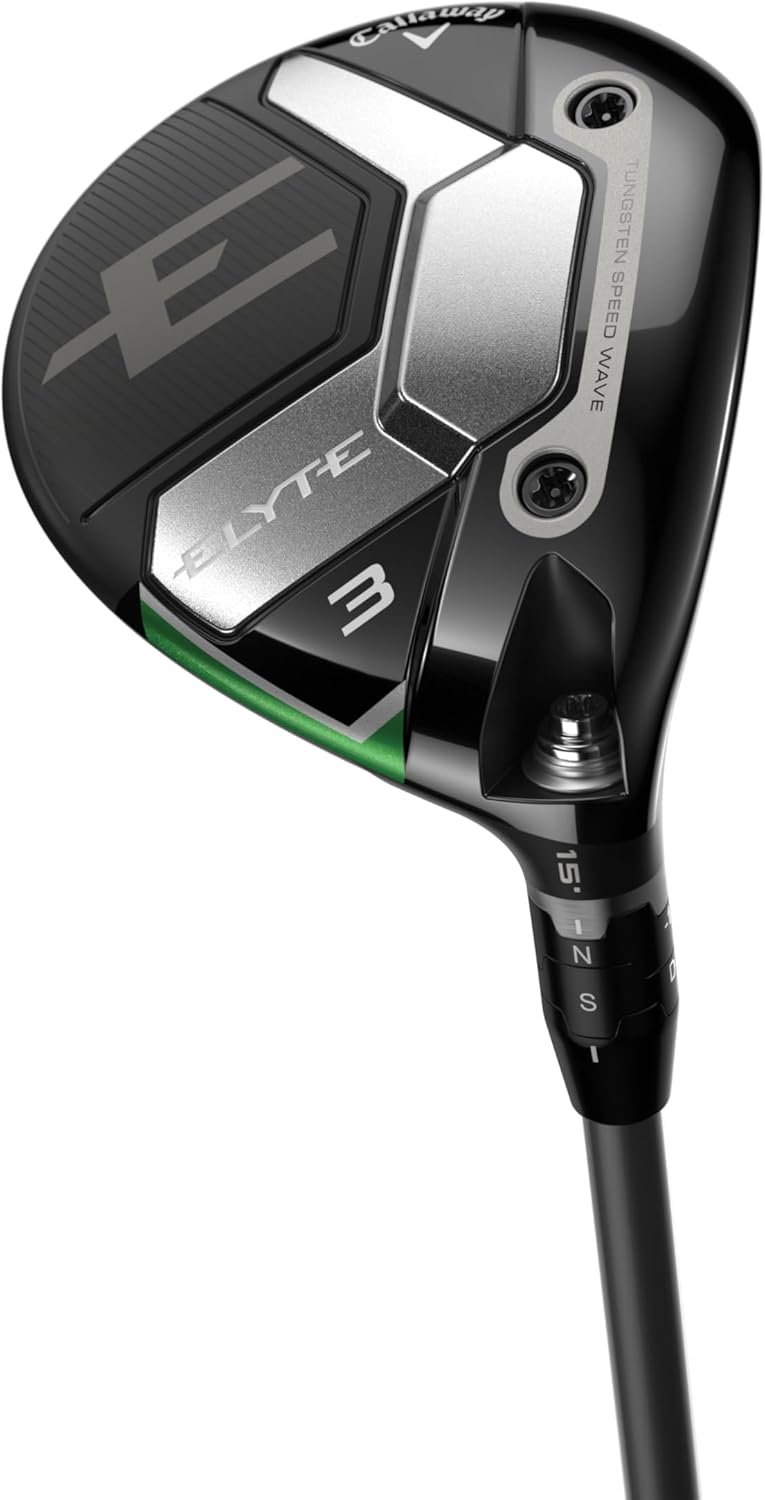

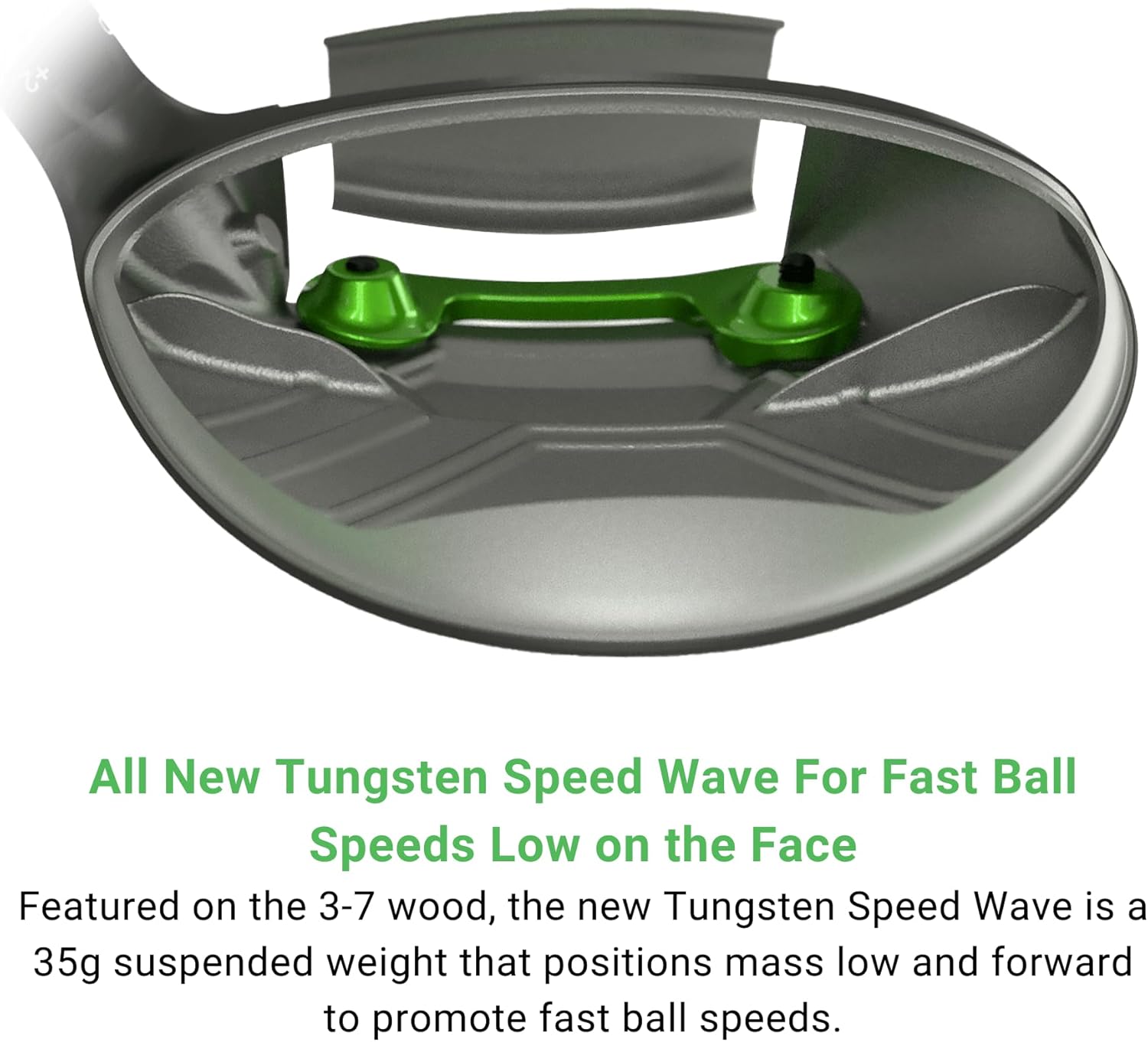
The Callaway Elyte Fairway Wood is built for golfers who want a combination of distance, forgiveness, and clean turf interaction. Its Step Sole design reduces the amount of sole contact with the ground to help the club move more smoothly through the turf, while the Tungsten Speed Wave positions weight low and forward to support ball speed, especially on strikes low on the face. The Ai 10x Face is designed to optimize launch and dispersion across a wider area of the clubface.
- Clean Turf Interaction: The Step Sole helps reduce drag through the fairway for more consistent contact.
- Strong Low-Face Performance: The Tungsten Speed Wave helps maintain ball speed on a common miss area.
- Balanced Ball Flight: Designed to produce high launch, low spin, and a neutral trajectory.
- Limited Adjustability: Golfers looking for extensive loft tuning may prefer a more adjustable fairway wood.
- Premium Construction: Advanced materials and face technology can make it more than casual golfers need.
- Neutral Bias: Players who specifically need strong draw correction may be better suited to a draw-biased model.
Callaway’s Elyte fairway lineup provides a traditional gap between its 3 and 5 woods.
Specifications include:
- 3 wood: 15°
- 5 wood: 18°
The 3 wood has a standard length of 43.25 inches, while the 5 wood measures 42.75 inches. Callaway describes the standard Elyte as offering a mid-high launch with high forgiveness.
The 3 wood is particularly appealing for golfers looking for distance from both the tee and fairway, while the 5 wood provides the higher-lofted option for long approaches.
Best for: Golfers wanting balanced performance without moving into a highly specialized low-spin or draw-biased model.
3. PING G440 MAX Fairway Wood


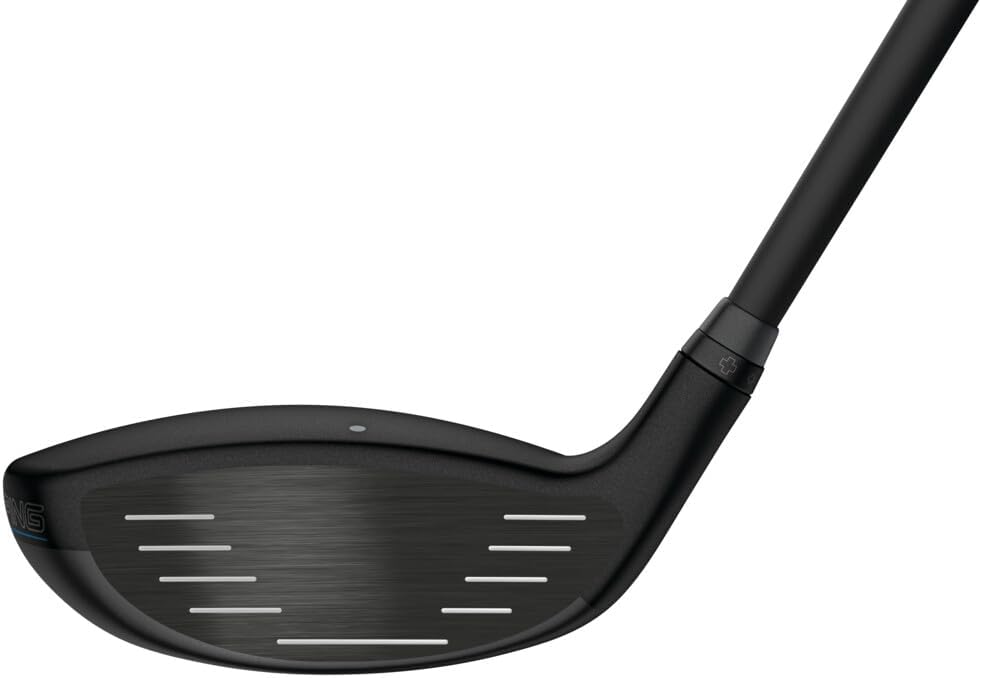
The PING G440 LST Fairway Wood is designed primarily for faster-swing-speed golfers who want strong ball speed with lower spin and a more penetrating trajectory. It combines a high-strength titanium face, titanium body, tungsten sole plate, and Carbonfly Wrap crown to position the center of gravity low and back. This construction is intended to improve speed while keeping spin under control. The loft is also adjustable by ±1.5°, giving golfers room to fine-tune launch and trajectory.
- Low-Spin Flight: Produces a strong, penetrating trajectory suited to faster swings.
- Adjustable Loft: The ±1.5° adjustment helps fine-tune launch and distance gaps.
- Premium Construction: Titanium, tungsten, and carbon components optimize weight placement and speed.
- Better for Faster Swings: Slower-swinging golfers may struggle to generate enough launch.
- Lower Launch Profile: Players wanting a naturally high ball flight may prefer the G440 MAX.
- Premium Design: Its advanced materials may be more than recreational golfers need.
The PING G440 MAX is worth considering when forgiveness and easy launch are priorities.
Its standard lofts include:
- 3 wood: 15°
- 5 wood: 19°
The additional four-degree loft separation is useful for golfers trying to establish a clear gap between the two clubs. Both lofts are adjustable by up to 1.5 degrees in either direction.
The 3 wood has a 43-inch standard length, while the 5 wood measures 42.5 inches.
Best for: Golfers who prioritize forgiveness and want multiple loft options for building the top of the bag.
4. Cobra DS-ADAPT MAX Fairway Wood
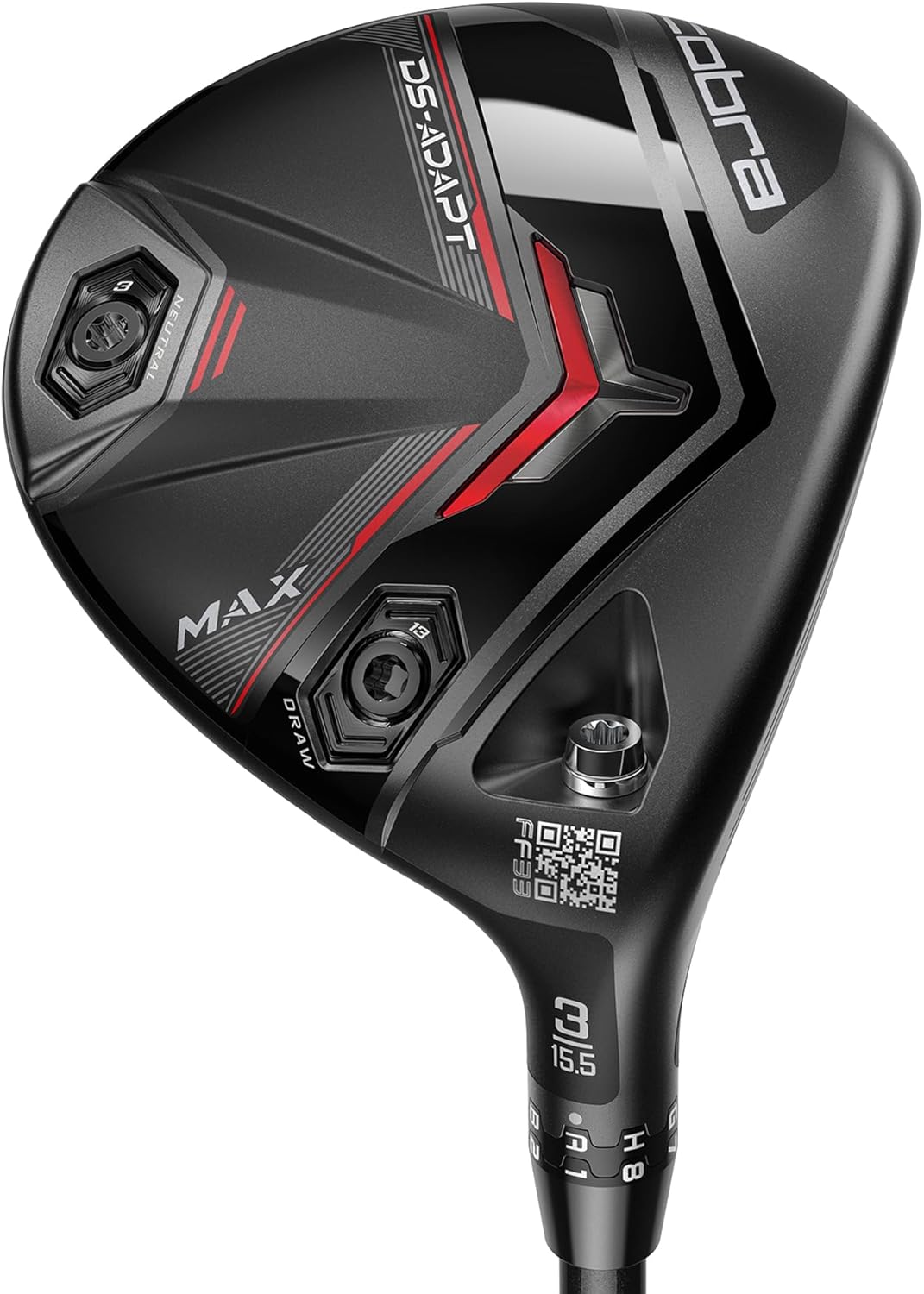
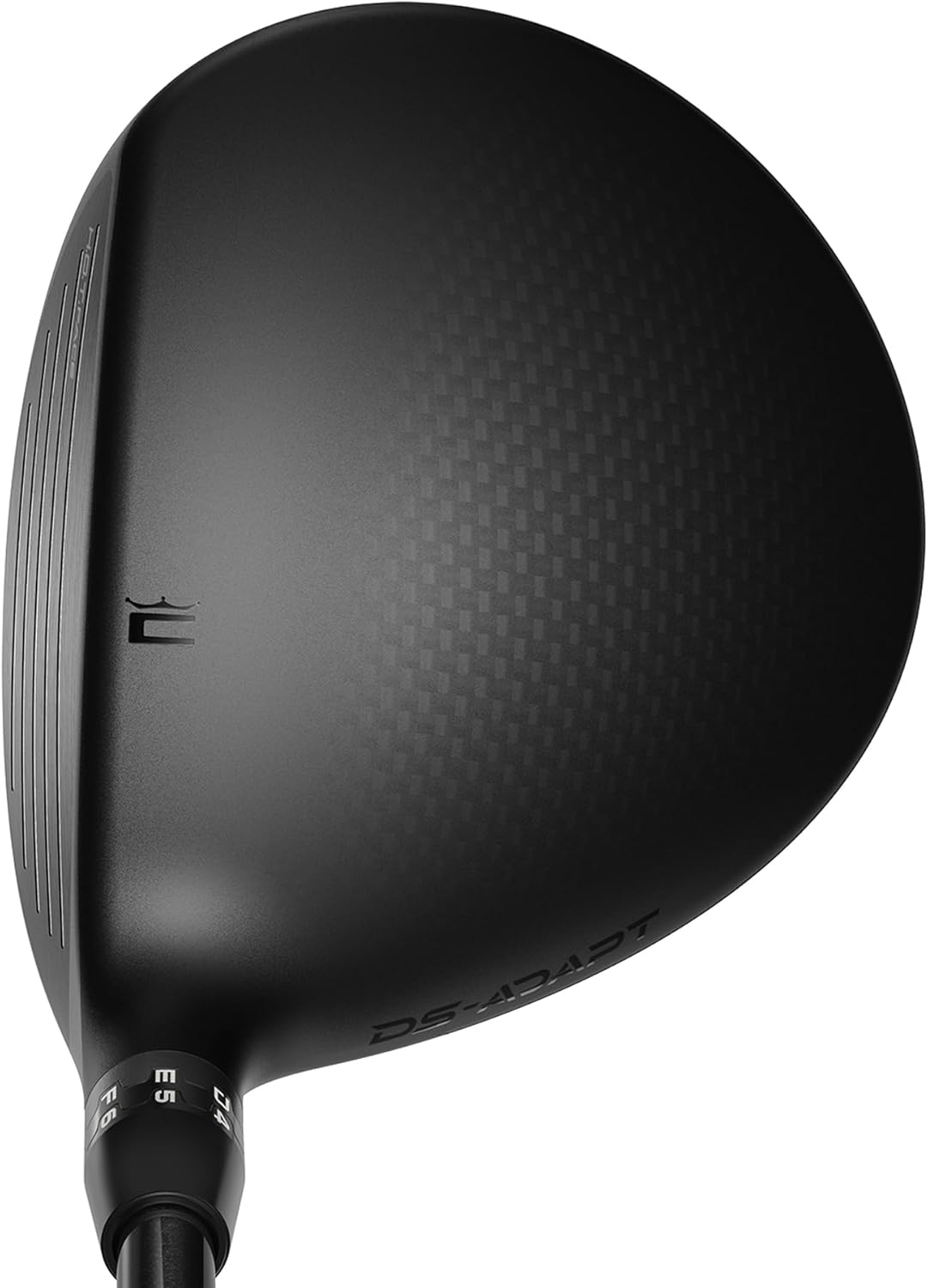
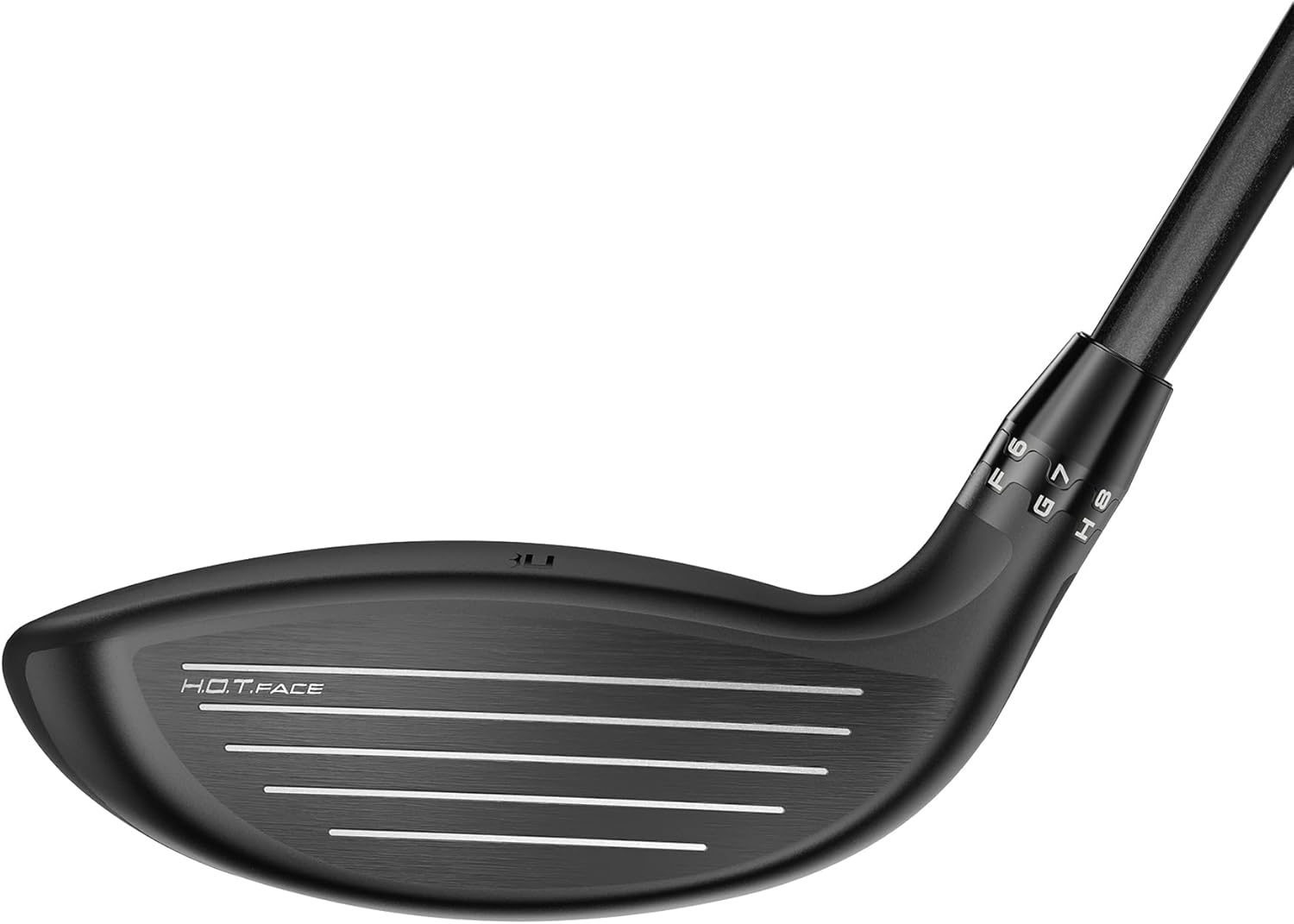
The Cobra DS-ADAPT MAX Fairway Wood is designed for golfers who want maximum forgiveness, draw-biased performance, and extensive adjustability. Its FutureFit33 hosel provides 33 loft and lie combinations, allowing players to fine-tune launch and shot shape more precisely. An internal back-and-heel weighting system promotes stability and draw bias, while the larger H.O.T. Face insert is designed to support faster ball speeds across a wider portion of the face.
- Extensive Adjustability: FutureFit33 provides 33 loft and lie combinations for detailed fitting.
- High Forgiveness: Rear weighting and a low center of gravity help improve stability on off-center strikes.
- Draw-Biased Design: Heel weighting can help golfers who tend to leave shots to the right.
- Less Neutral Flight: Players who naturally draw the ball may not need the added draw bias.
- Many Settings: The wide range of adjustments can require extra testing to find the best setup.
- Larger Profile: Golfers who prefer a compact, traditional fairway-wood shape may prefer another model.
The Cobra DS-ADAPT MAX is particularly interesting for golfers who want extensive adjustability and help producing a higher, draw-biased flight.
Standard lofts are:
- 3 wood: 15.5°
- 5 wood: 18.5°
Cobra’s adjustable system allows the 3 wood to cover a loft range of approximately 13.5 to 17.5 degrees and the 5 wood from approximately 16.5 to 20.5 degrees.
That flexibility can be valuable when trying to eliminate awkward distance gaps.
Best for: Golfers wanting forgiveness, draw bias, and extensive loft adjustment.
3 Wood vs 5 Wood at a Glance
| Feature | 3 Wood | 5 Wood |
|---|---|---|
| Typical loft | Around 15° | Around 18–19° |
| Shaft length | Longer | Shorter |
| Distance | Longer | Shorter |
| Launch | Lower | Higher |
| Ball flight | More penetrating | Higher and steeper |
| Ease from fairway | More demanding | Generally easier |
| Tee shots | Excellent | Good |
| Long approaches | Good for stronger players | Excellent for many golfers |
| Stopping power | Lower | Higher |
| Best suited for | Distance and tee shots | Versatility and easier launch |
These are general tendencies rather than fixed rules. Modern fairway woods vary considerably in loft, center of gravity, head size, shaft length, and adjustability.
What Is a 3 Wood?
A 3 wood is usually the lowest-lofted fairway wood most recreational golfers carry.
Traditional models sit around 15 degrees of loft, although some stronger versions can be lower and high-launch models may have 16 or 16.5 degrees.
Because of its relatively low loft and long shaft, the 3 wood is designed to generate speed and distance. That makes it particularly useful from the tee on narrow holes where hitting driver may bring too much trouble into play.
It can also be useful from the fairway when a golfer needs significant distance on a par 5 or a very long par 4.
The challenge is getting enough launch.
A 15-degree club struck directly from the turf demands reasonably consistent contact and sufficient clubhead speed. Golfers who struggle to launch their 3 wood may see low shots that do not carry much farther than a well-struck 5 wood.
That is why the longest club is not automatically the most useful one.
What Is a 5 Wood?
A 5 wood typically has around 18 or 19 degrees of loft.
That extra loft makes it easier to get the ball airborne. The shaft is also generally shorter than a 3 wood shaft, giving the golfer additional control over the clubhead.
The result is a fairway wood that can be especially useful for long approach shots.
A 5 wood tends to produce a higher trajectory than a 3 wood, and the ball normally lands at a steeper angle. This can help it hold a green rather than landing shallow and releasing forward.
That combination of launch, forgiveness, and usable distance explains why the 5 wood has become an important option even for skilled players.
Loft: One of the Biggest Differences
Loft is the most obvious difference when comparing a 3 wood vs 5 wood.
A typical setup looks something like:
- 3 wood: approximately 15°
- 5 wood: approximately 18–19°
For example, the TaylorMade Qi35 has a 15-degree 3 wood and an 18-degree 5 wood. The PING G440 MAX uses 15 degrees for the 3 wood and 19 degrees for the 5 wood.
The additional loft of the 5 wood helps launch the ball higher and can increase spin.
Lower loft on the 3 wood can produce greater ball speed and a stronger trajectory, but only when the golfer can launch it efficiently.
This is an important distinction.
A golfer with moderate swing speed may theoretically gain distance from a 3 wood, but poor launch and inconsistent contact can erase that advantage.
3 Wood vs 5 Wood Distance
The 3 wood should normally be longer than the 5 wood when both clubs are struck well.
However, there is no universal yardage difference.
Distance depends on:
- Clubhead speed
- Ball speed
- Strike location
- Dynamic loft
- Shaft
- Launch angle
- Spin
- Weather
- Ground conditions
- Golf ball
- Club design
For one golfer, the difference between the clubs may be substantial. For another, the carry distances may be surprisingly close.
This is particularly common among moderate and slower-swinging players. If the golfer cannot launch a 3 wood effectively, a higher-lofted 5 wood may generate enough additional height and carry to produce similar overall performance.
Instead of choosing by the number stamped on the sole, compare actual carry distances.
A well-built set should create useful distance gaps rather than several clubs that travel almost the same yardage.
Which Is Easier to Hit?
For most recreational golfers, the 5 wood is easier to hit from the ground.
There are several reasons.
First, additional loft makes launching the golf ball easier.
Second, a 5 wood normally has a shorter shaft. A shorter club can make it easier to control the bottom of the swing and find the center of the face.
Third, the higher trajectory means the golfer does not have to create as much speed to achieve a functional ball flight.
A 3 wood is not necessarily difficult to hit, especially from a tee. But hitting one consistently from a tight fairway lie can require better contact.
If your 3 wood produces frequent thin shots, low bullets, or topped shots from the turf, testing a 5 wood is worth considering.
3 Wood vs 5 Wood Off the Tee
The 3 wood has a significant advantage when the goal is maximum fairway-wood distance from a tee.
Because you can place the ball on a short tee, achieving clean contact becomes easier than when the ball is sitting directly on the ground.
That makes a 3 wood valuable on:
- Tight par 4s
- Shorter par 4s
- Holes with hazards at driver distance
- Tee shots where accuracy matters more than maximum distance
- Windy holes where a lower trajectory may help
A 5 wood can also work from the tee, particularly when placement matters more than distance.
However, if you specifically want a backup club for the driver, the 3 wood is normally the better starting point.
3 Wood vs 5 Wood From the Fairway
This is where the 5 wood becomes especially attractive.
A 5 wood’s additional loft helps get the ball into the air from a normal fairway lie. Its shorter shaft can also make center-face contact easier.
That makes it particularly useful when attacking:
- Par 5s in two
- Long par 4s
- Elevated greens
- Greens protected by front bunkers or hazards
The higher ball flight can also provide more stopping power.
A 3 wood can still be highly effective from the fairway, especially for golfers with plenty of speed. But recreational players should consider how often they actually hit their 3 wood well from the turf.
A club that theoretically travels 230 yards is not especially valuable if solid contact happens only occasionally.
What About Shots From the Rough?
Neither fairway wood is designed primarily for heavy rough.
However, a 5 wood is often the more practical option from a reasonable lie because the additional loft can help lift the ball.
A 3 wood’s lower loft and longer shaft make it more difficult to produce clean contact when grass gets between the clubface and ball.
From genuinely thick rough, a hybrid or higher-lofted club may still be the better choice.
The lie should always influence club selection.
Which Is More Forgiving?
The answer depends partly on the particular club design, but the 5 wood is usually more forgiving for the average golfer in practical playing conditions.
The shorter shaft provides additional control, while the higher loft makes it easier to produce useful launch.
Modern 3 woods can still be extremely forgiving across the face, especially high-Moment of Inertia designs. But forgiveness is not just about what happens on off-center strikes.
A club should also make it reasonably easy for you to achieve the required launch.
That is why a forgiving 5 wood can sometimes be a better choice than an equally forgiving 3 wood for a golfer with moderate speed.
Which Is Better for High Handicappers?
Many high-handicap golfers will find a 5 wood more useful.
It offers enough distance to cover a meaningful gap at the top of the bag without demanding the same launch conditions as a low-lofted 3 wood.
The shorter shaft may also help with consistency.
That does not mean high handicappers should never carry a 3 wood. If the club is primarily used from a tee and the golfer hits it confidently, it can be extremely useful.
But if the purpose is to hit long shots from the fairway, the 5 wood deserves serious consideration.
Which Is Better for Faster Swing Speeds?
Players with higher swing speeds are generally better positioned to take advantage of a 3 wood.
Additional speed helps launch the lower-lofted head while still generating enough height and carry.
A stronger player may therefore create clear separation between a 3 wood and 5 wood:
Driver → 3 wood → 5 wood → hybrid or long iron
For these golfers, carrying both clubs can provide distinct trajectories and yardages rather than unnecessary duplication.
Should You Carry Both a 3 Wood and 5 Wood?
Yes, provided they create useful gaps.
There is nothing inherently redundant about carrying both.
For example, the 3 wood could serve primarily as a tee-shot and maximum-distance fairway club, while the 5 wood handles higher approaches and situations where easier launch matters.
However, don’t carry both simply because traditional golf sets included them.
Look at the clubs surrounding them.
If your driver, 3 wood, 5 wood, and hybrid all produce clearly separated carry distances, the setup may work well.
If your 3 wood and 5 wood finish only a few yards apart, one of those spots might be better used for another hybrid, wedge, or specialty club.
Golfers should build the top end of the bag around distance gaps and shot requirements, not club numbers alone.
Choose a 3 Wood If…
A 3 wood makes the most sense when you:
- Want an alternative to your driver from the tee.
- Generate enough speed to launch a low-lofted fairway wood.
- Frequently face long second shots where maximum distance matters.
- Prefer a stronger, more penetrating trajectory.
- Have a large distance gap between your driver and next-longest club.
- Hit fairway woods consistently from the ground.
For confident ball strikers, a 3 wood remains one of the most versatile distance clubs available.
Choose a 5 Wood If…
A 5 wood may be better when you:
- Struggle to launch a 3 wood from the fairway.
- Want a higher ball flight.
- Need more stopping power on long approach shots.
- Prefer a slightly shorter, more manageable shaft.
- Have moderate or slower swing speed.
- Want a club that bridges the gap between a fairway wood and hybrid or long iron.
For many recreational golfers, the 5 wood can produce more usable shots during an actual round than the 3 wood.
3 Wood vs 5 Wood: Which One Belongs in Your Bag?
The biggest difference between a 3 wood and 5 wood is not simply distance.
It is how that distance is produced.
A 3 wood offers lower loft, a longer shaft, and greater distance potential. It is particularly useful from the tee and can be powerful from the fairway when the golfer has enough speed and consistent contact.
A 5 wood trades some of that maximum distance for easier launch, additional height, and more control. Those characteristics make it particularly useful for long shots into greens.
If you can hit both consistently and they produce meaningful distance gaps, carrying both is entirely reasonable.
If you only have room for one, choose according to the shots you actually face. Golfers needing a driver alternative should lean toward the 3 wood. Golfers looking for an easier club for long approaches should strongly consider the 5 wood.
The best choice is ultimately the club that gives you predictable carry distance, consistent contact, and confidence when you need it.
Frequently Asked Questions
Is a 3 wood harder to hit than a 5 wood?
For many golfers, yes. A 3 wood normally has less loft and a longer shaft, which can make it more demanding to launch consistently from the turf. A 5 wood’s additional loft and shorter shaft generally make it easier to get airborne.
How much farther does a 3 wood go than a 5 wood?
There is no fixed distance difference. The gap depends on swing speed, quality of contact, loft, shaft, launch conditions, and the individual club design. A golfer should compare carry distances rather than assuming a specific yardage gap.
Can a 5 wood replace a 3 wood?
Yes. Golfers who rarely use a fairway wood from the tee and struggle to launch a 3 wood from the ground may get more practical value from a 5 wood. However, the 5 wood will generally not provide the same maximum distance potential as a well-struck 3 wood.
Is a 5 wood better than a 3 wood for beginners?
Often, yes. The additional loft makes a 5 wood easier to launch, while its shorter shaft can make solid contact easier. Beginners who want maximum distance from the tee may still consider a 3 wood, but the 5 wood is usually the friendlier option from the fairway.
Do professional golfers carry both a 3 wood and 5 wood?
Some do, while others use combinations involving 4 woods, 7 woods, hybrids, utility irons, or additional wedges. The ideal setup depends on the golfer’s distance gaps and the course. Recreational golfers should use the same principle: choose clubs according to the shots and yardages they need rather than copying a standard configuration.